Easy Crochet Cat Paw Fingerless Gloves Free Pattern
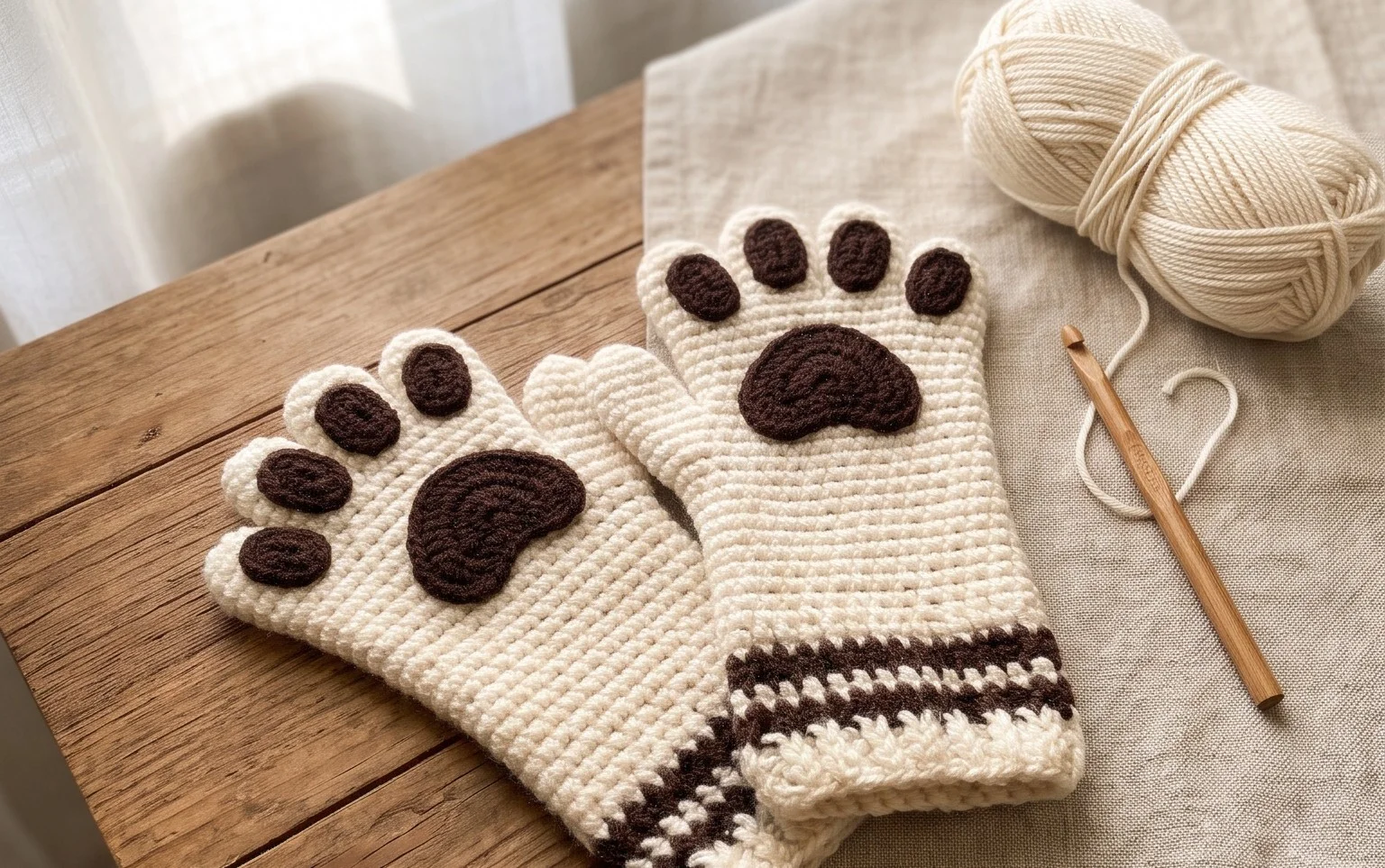
Soft yarn and raised paw pads give these fingerless gloves a playful cat-paw look, while the open fingers leave your hands free to type, read, or hold a warm mug. The finished pair sits snugly at the wrists and adds a cozy layer on chilly walks or cool evenings indoors. Beginners who know basic crochet stitches can enjoy learning how the glove shape comes together, and gift makers can personalize a pair with a favorite color. Cat-loving home decor fans may enjoy making them as a wearable match for handmade touches around the house. This pattern walks you through the glove construction, thumb opening, and paw-pad details, with clear guidance on keeping both pieces even. It is a satisfying project that turns simple stitches into a useful accessory with plenty of personality.
Why You’ll Love This Pattern
This crochet dishcloth is a flat cotton square worked in single crochet, with no shaping, seaming, or color changes. Its close stitches make a sturdy cloth for everyday kitchen use, and the simple rows are easy to count while you get comfortable holding the yarn and hook.
The pattern uses one skein or a portion of a larger ball, so it is useful for cotton left over from other projects. You can finish the rectangle in a few relaxed sessions, and the fabric is easy to wash and reshape. A completed cloth also makes a practical handmade gift that does not need special sizing.
Sample feedback: The rows were easy to follow, and the cotton made a firm cloth that felt useful right away.
— Illustrative sample reviewer
Pattern Overview & Skill Level
- Skill Level: Beginner. You need to chain and make single crochet stitches.
- Approximate Time: 3–4 hours, depending on your tension and how often you pause to count.
- Construction: A flat rectangle worked back and forth in rows. The starting chain forms one edge, and the last row forms the opposite edge.
- Finished Dimensions & Sizing: About 31 cm wide by 30 cm tall (12¼ by 11¾ inches) when worked to gauge, before washing.
The fabric may feel slightly firm while you work. That is useful for a dishcloth, but avoid pulling each stitch tight; a hook that moves through the loops without strain helps the rows stay even.
Materials & Supplies Needed
- Yarn: About 100–120 yards of worsted-weight cotton yarn, weight #4, in one color. Choose 100% cotton or a cotton-rich yarn intended for items that will be washed often.
- Hook Size: 4.5 mm / US 7 crochet hook. Change hook size only if needed to match gauge.
- Notions: Tapestry needle for the starting and finishing tails, scissors, and a ruler or tape measure. A stitch marker is optional for marking the first stitch of each row.
- Substitutions: A similar-weight cotton yarn is the closest substitute. Cotton blends may feel softer or drape more, while linen can make a firmer cloth. Acrylic is less absorbent and may not suit a dishcloth. A different yarn weight changes the finished size and texture; use a suitable hook and check your gauge before continuing.
Gauge: 15 single crochet stitches and 18 rows measure 10 cm (4 inches) in the main fabric. Make a small swatch if you want the finished measurements to match. If you have too many stitches in 10 cm, try a larger hook; if you have too few, try a smaller hook.
Stitch Guide & Abbreviations (US Terms)
- ch = chain.
- sc = single crochet: insert the hook into the stitch, yarn over and pull up a loop, yarn over again and pull through both loops on the hook.
- st = stitch; sts = stitches.
- turn = rotate the work so you can crochet along the next row.
- ch-1 turning chain = one chain made at the start of a row to bring the hook to working height. It does not count as a stitch in this pattern.
Work each single crochet into the top loops of the stitch from the previous row, unless the instruction says otherwise. This pattern uses US terms and has no special stitches.
Step-by-Step Pattern Instructions
Dishcloth
With the 4.5 mm hook, make a foundation chain of 47. Keep the chain loose enough for the hook to enter each loop without stretching the yarn. The first single crochet is worked into the second chain from the hook; the skipped chain does not count as a stitch.
- Row 1: Make 1 single crochet in the second chain from the hook and in each chain across. You will have 46 stitches. (46 sts)
- Row 2: Chain 1 and turn. The turning chain does not count as a stitch. Make 1 single crochet in each stitch across. (46 sts)
- Rows 3–54: Repeat Row 2. Keep the same count of 46 single crochet stitches in every row. (46 sts per row)
After Row 54, check that the cloth measures close to 30 cm tall and 31 cm wide. If your row gauge is different, your finished height may vary. Fasten off, leaving a tail long enough to weave in, and pull the tail through the last loop.
Finishing
Thread the tail onto a tapestry needle. Weave it through several stitches on the wrong side, change direction, and pass through a few more stitches so the end is secure. Repeat with the starting tail. Avoid pulling the edges tight as you weave, since that can draw in the corners. No border is needed; the single crochet edges form a simple finished outline.
Care & Washing Instructions
- Wash cotton in cool or warm water, up to 30°C (86°F), using detergent suitable for colored fabric.
- Dry flat or line dry, smoothing the edges while the cloth is damp; avoid high heat if the yarn label advises against it.
- Reshape the corners and edges while damp. Lightly block flat if needed, following the yarn label’s care instructions.
Pro Tips & Common Mistakes to Avoid
- Keep your tension relaxed and consistent. If the foundation chain is tighter than the rows, the bottom edge will pull inward; make the chain with a slightly larger hook if needed, then switch to the pattern hook.
- Count the stitches at the end of every row, especially the first few. Put a marker in the first stitch of a row if you tend to miss the last stitch at the far edge.
- When weaving in the yarn tails, travel through the back of the stitches and change direction once. A tail woven in only one straight line can loosen with repeated washing.
- For a larger cloth, add an even number of chains and work the same number of single crochets in every row. More width and height use more yarn; adding 10 stitches and about 10 rows will make a noticeably larger cloth, so allow extra yardage.
Frequently Asked Questions
Can I use a different yarn instead of cotton?
Choose a washable yarn with a similar worsted weight for dimensions close to the sample. Cotton is absorbent and holds up well for kitchen use. Acrylic may be less absorbent, and a thicker yarn will make a larger, bulkier cloth.
How can I make the dishcloth smaller or larger?
Change the starting chain to adjust the width, then work fewer or more rows to adjust the height. Keep the number of single crochet stitches equal to the number of chains minus one, and expect the yarn amount and finished dimensions to change.
Is this pattern suitable for a first crochet project?
Yes. It uses only chains and single crochet stitches, with the same stitch count in every row. The main challenge is remembering to work into the last stitch and to keep the starting chain from becoming too tight.
May I sell dishcloths made from this pattern?
Check the designer’s terms before selling finished items, and follow any attribution or small-business conditions they set. If you publish the pattern itself, respect the designer’s copyright and do not repost their instructions as your own.
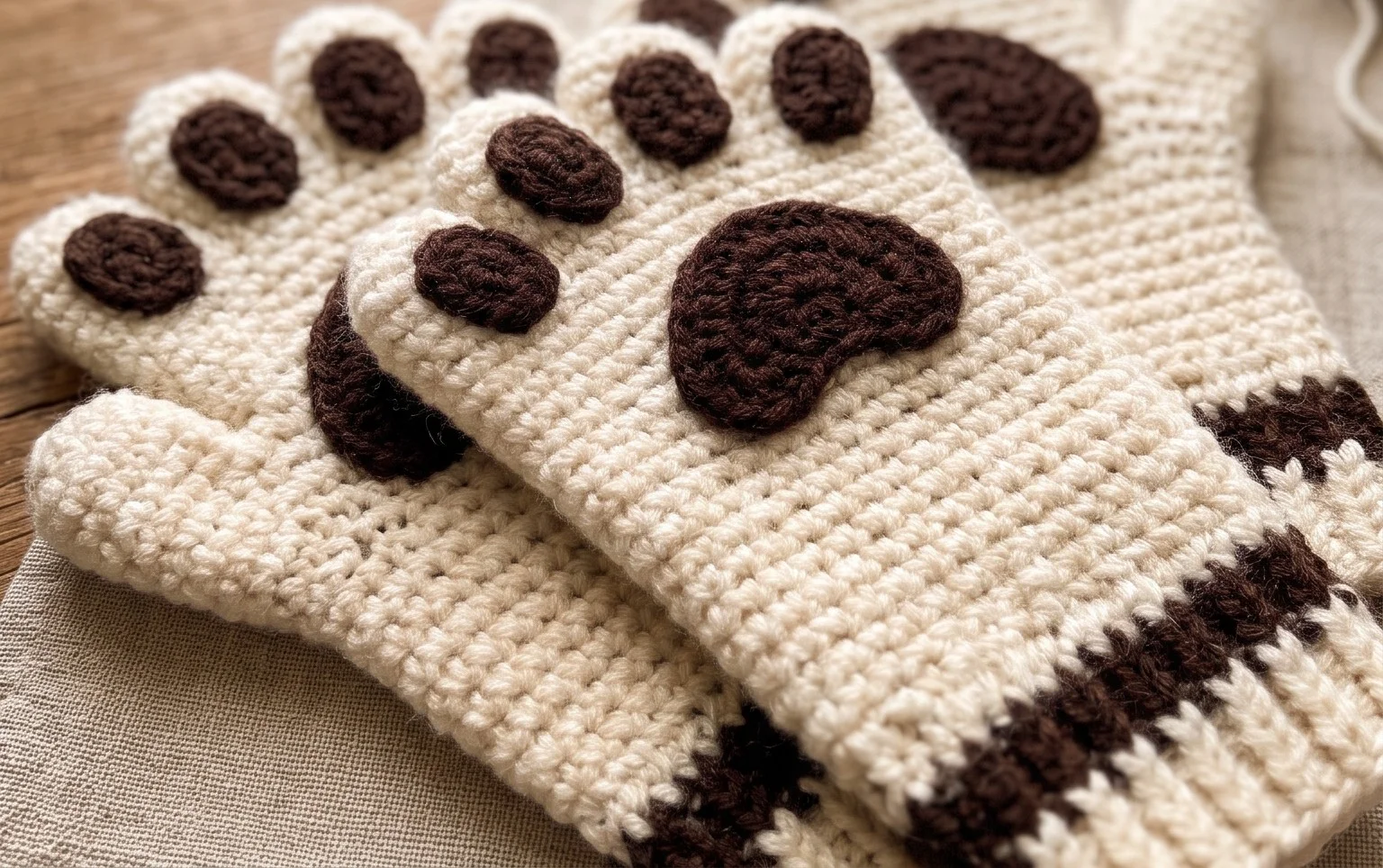
Your finished cat-paw gloves bring a soft, cheerful detail to cold-weather days, and the open fingers make them handy for reading, crafting, or checking your phone. For a simple variation, work the gloves in charcoal or cream and use a contrasting shade for the paw pads. If you make a pair, share a photo on Pinterest or your favorite social media account so other crocheters can see your color choices and finished fit. You can also browse the blog for more free crochet patterns, including small accessories and thoughtful handmade gifts. Keep your yarn label nearby if you plan to make a second pair, so you can match the fiber and weight.