43 Easy Crochet Skirt Patterns for Every Season to Make
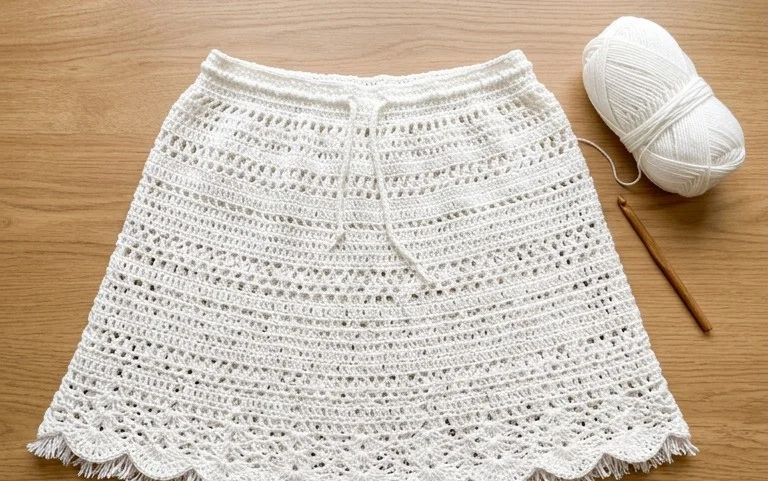
A crocheted skirt can feel breezy and light in cotton, or warm and softly textured in wool for cooler days. This collection of 43 crochet skirt patterns covers pieces for different seasons, from airy summer styles to layered designs you can wear with tights. Some patterns suit beginners ready to practice basic stitches, while others give experienced crocheters room to play with lace, shaping, stripes, and waistbands. The range also makes it easier to find a handmade gift that matches someone’s style and the time you have to make it. As you browse, you’ll see how stitch choice, yarn weight, and simple construction details change the drape and fit. You’ll also find ideas for sizing and finishing, so you can choose a skirt that feels comfortable and works with clothes you already own.
Why You’ll Love This Pattern
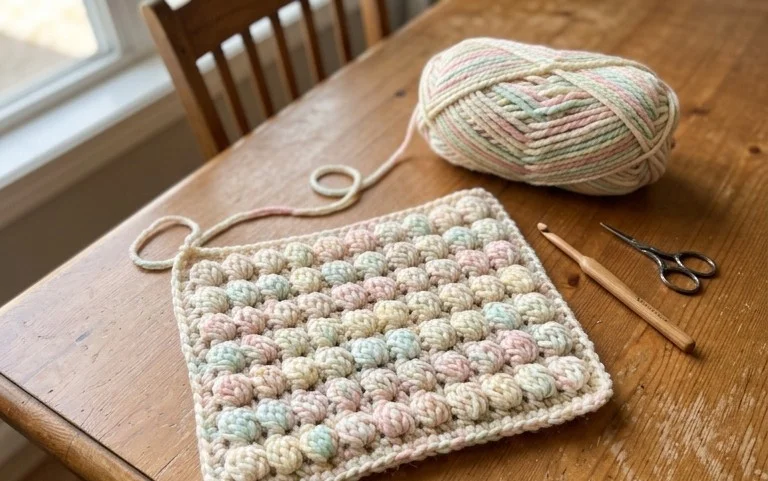
A firm, square cotton dishcloth is useful at the sink, and its even single crochet fabric is easy to wash and reuse. This beginner-friendly pattern uses one stitch throughout, so you can focus on keeping the edges straight instead of learning a complicated repeat.
The 8-inch size gives you a practical cloth without taking a full skein of cotton yarn. The rows are short enough to work during a quiet evening, and the pattern is easy to pause because every row has the same stitch count. A crocheter’s note: I could keep track of the rows without losing my place, and the finished cloth feels sturdy at the sink.
I liked how simple the rows were to count, and the cotton made a useful cloth for everyday washing.
— Maya, beginner crocheter
Pattern Overview & Skill Level
- Skill Level: Beginner. You need to make a chain and single crochet evenly.
- Approximate Time: About 2–3 hours, depending on your pace and how often you stop to check the edges.
- Construction: A flat square worked back and forth in rows, then finished by weaving in the starting and ending tails.
- Finished Dimensions & Sizing: Approximately 8 × 8 inches after washing and drying flat, using the gauge below.
Gauge is 16 single crochet stitches and 16 rows to 4 inches, measured after washing. Gauge matters because a tighter fabric uses more yarn and makes a smaller cloth. If your swatch is smaller than 4 inches, try a larger hook; if it is larger, try a smaller hook.
Materials & Supplies Needed
- Yarn: About 90–110 yards of worsted-weight (#4) 100% cotton yarn in one color. Cotton absorbs water and tolerates frequent washing.
- Hook: 4.5 mm / US 7 crochet hook. Use the hook that gives you the stated gauge, even if your yarn label recommends a different size.
- Notions: Tapestry needle for weaving in ends, scissors, and a ruler or tape measure. A stitch marker is optional for marking the first or last stitch.
- Substitutions: A cotton-linen blend can replace cotton; it may feel firmer and soften with washing. Use a similar worsted-weight yarn and check the gauge. Acrylic is washable but usually absorbs water less readily and may feel less suitable for a dishcloth.
Stitch Guide & Abbreviations (US Terms)
- ch: Chain.
- sc: Single crochet. Insert the hook in the stitch, yarn over and pull up a loop, yarn over again and pull through both loops.
- st(s): Stitch or stitches.
- rep: Repeat.
The turning chain does not count as a stitch in this pattern. Make the first single crochet of each row in the first stitch at the base of the chain, not in the chain itself. Work into both loops at the top of each stitch for a sturdy, even cloth.
Step-by-Step Pattern Instructions
Dishcloth
- Row 1: Ch 33. Sc in the second ch from the hook and in each ch across. Turn. (32 sts)
- Row 2: Ch 1. Sc in each st across. Turn. (32 sts)
- Row 3: Ch 1. Sc in each st across. Turn. (32 sts)
- Row 4: Ch 1. Sc in each st across. Turn. (32 sts)
- Row 5: Ch 1. Sc in each st across. Turn. (32 sts)
- Row 6: Ch 1. Sc in each st across. Turn. (32 sts)
- Row 7: Ch 1. Sc in each st across. Turn. (32 sts)
- Row 8: Ch 1. Sc in each st across. Turn. (32 sts)
- Row 9: Ch 1. Sc in each st across. Turn. (32 sts)
- Row 10: Ch 1. Sc in each st across. Turn. (32 sts)
- Row 11: Ch 1. Sc in each st across. Turn. (32 sts)
- Row 12: Ch 1. Sc in each st across. Turn. (32 sts)
- Row 13: Ch 1. Sc in each st across. Turn. (32 sts)
- Row 14: Ch 1. Sc in each st across. Turn. (32 sts)
- Row 15: Ch 1. Sc in each st across. Turn. (32 sts)
- Row 16: Ch 1. Sc in each st across. Turn. (32 sts)
- Row 17: Ch 1. Sc in each st across. Turn. (32 sts)
- Row 18: Ch 1. Sc in each st across. Turn. (32 sts)
- Row 19: Ch 1. Sc in each st across. Turn. (32 sts)
- Row 20: Ch 1. Sc in each st across. Turn. (32 sts)
- Row 21: Ch 1. Sc in each st across. Turn. (32 sts)
- Row 22: Ch 1. Sc in each st across. Turn. (32 sts)
- Row 23: Ch 1. Sc in each st across. Turn. (32 sts)
- Row 24: Ch 1. Sc in each st across. Turn. (32 sts)
- Row 25: Ch 1. Sc in each st across. Turn. (32 sts)
- Row 26: Ch 1. Sc in each st across. Turn. (32 sts)
- Row 27: Ch 1. Sc in each st across. Turn. (32 sts)
- Row 28: Ch 1. Sc in each st across. Turn. (32 sts)
- Row 29: Ch 1. Sc in each st across. Turn. (32 sts)
- Row 30: Ch 1. Sc in each st across. Turn. (32 sts)
- Row 31: Ch 1. Sc in each st across. Turn. (32 sts)
- Row 32: Ch 1. Sc in each st across. Fasten off, leaving a tail long enough to weave in. (32 sts)
Finishing
Thread the tail onto a tapestry needle and weave it through several stitches on the wrong side. Change direction once so the end is less likely to work loose during washing. Weave in the starting tail in the same way. Wash the cloth before measuring; cotton can relax and settle after its first wash.
Care & Washing Instructions
- Wash cotton in a machine on a warm cycle, up to 40°C (104°F), or hand-wash in warm water with mild detergent.
- Dry flat for the neatest square shape, or tumble-dry on low if the yarn label allows it.
- While damp, smooth the edges and reshape the cloth to about 8 inches square; follow the yarn label if you use a blend.
Pro Tips & Common Mistakes to Avoid
- Keep your turning chain loose enough to lie flat, but do not count it as a stitch. Tight turning chains can pull the sides inward.
- Count 32 stitches on every row. Place a marker in the first stitch if you often miss the last stitch at the row edge.
- Weave the ends through the back of several stitches, then change direction. A short tail worked through only one stitch can loosen with repeated washing.
- For a larger cloth, add stitches to the starting chain and add rows until the piece is square. Each extra stitch and row uses more yarn; make a gauge swatch first so the finished size stays predictable.
Frequently Asked Questions
Can I use a different yarn weight?
Yes, but the finished size and texture will change. A lighter yarn makes a smaller, thinner cloth, while bulky yarn makes a thicker one and needs more yardage. Choose a hook that gives a firm fabric and make a small gauge swatch before starting.
How can I make the dishcloth smaller or larger?
For a smaller cloth, begin with fewer chains and work fewer rows, keeping the stitch count the same across each row. For a larger cloth, add chains and rows. To make a square, aim for the same number of stitches and rows when your stitch and row gauge are similar.
Is this pattern suitable for a first crochet project?
Yes. It uses only chains and single crochet, and there are no increases, decreases, or seams. The main challenge is working the first and last stitch of every row so the sides stay straight.
May I sell dishcloths made from this pattern?
Check the designer’s terms before selling finished items, and write your own product description and photos. If you sell the cloth, include fiber and care details so buyers know how to wash it.
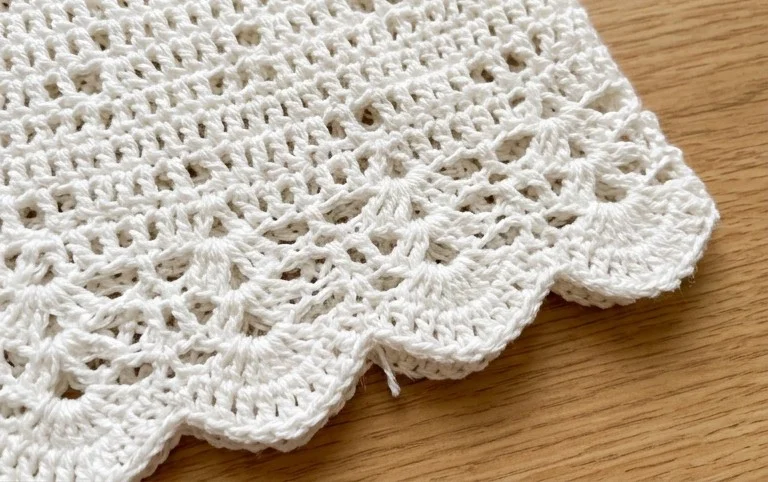
A finished crochet skirt brings your chosen color, texture, and fit together in a piece you can wear through the season it was made for. If you want to change the look, try a cotton-linen blend for a lighter drape, or work the same pattern in a deeper shade for cooler months. Take a photo of your skirt in natural light and share it on Pinterest or your favorite social media platform; showing the stitch texture and fit can help other makers choose a pattern. If you enjoyed browsing these designs, explore more free crochet patterns on the blog for your next garment, accessory, or weekend project. Keep your notes on yarn and sizing with the pattern, too, so adjustments are easy to repeat.