11 Free Ribbon Quilt Patterns: Easy Crochet Tutorials
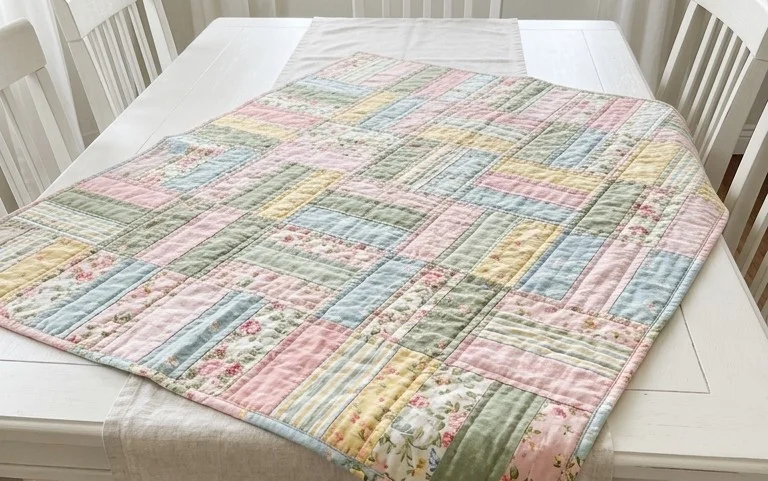
These crochet ribbon quilt designs rely on joining long, narrow strips of fabric-like yarn to create a visual depth that mimics traditional textile art. You will find that the resulting blankets feel dense and cozy, acting as a weighted layer for your bed or sofa during colder months. This collection provides options for beginners who want to practice tension control through repeated rows and more experienced makers looking for a portable assembly method. Each section explains how to combine colors for a rhythmic, woven effect that highlights the geometry of the squares and blocks while keeping your hands busy.
Why You’ll Love This Pattern
This classic crochet dishcloth relies on the textured grit stitch, which provides an effective scrubbing surface for everyday kitchen tasks. The project is highly portable, making it an ideal choice for filling small gaps in your daily schedule while you wait for appointments or travel. Because the pattern uses a simple one-row repeat, it is easy to pick up and put down without needing to track complex stitch sequences. Many crocheters prefer this project to clear out leftover cotton yarn scraps from larger home decor items.
I managed to finish three of these during a single weekend. The texture is much thicker and more durable than store-bought cloths, and they wash perfectly in the machine.
— Sarah, home crafter
Pattern Overview & Skill Level
- Skill Level: Beginner
- Approximate Time: 45 to 60 minutes per cloth
- Construction: Worked in flat rows back and forth
- Finished Dimensions: 8 inches by 8 inches
Materials & Supplies Needed
- Yarn: Worsted weight #4, 100% cotton yarn. Approximately 60 yards per cloth.
- Hook Size: 5.0 mm (US size H-8).
- Notions: Tapestry needle for weaving in ends, scissors.
- Yarn Substitutions: Stick to 100% cotton or a cotton-linen blend. Acrylic yarn will not absorb water effectively for kitchen use, and wool will felt when exposed to hot water and frequent scrubbing. Using a slightly thinner or thicker yarn will change the finished size but will not affect the pattern logic.
Stitch Guide & Abbreviations (US Terms)
- ch: chain
- sc: single crochet
- dc: double crochet
- st(s): stitch(es)
- Grit Stitch: A sequence consisting of (sc, dc) worked into the same stitch, followed by skipping the next stitch.
Step-by-Step Pattern Instructions
Main Dishcloth Body
Foundation: Ch 26.
- Row 1: Sc in the second ch from hook, dc in the same ch. Skip 1 ch, (sc in next ch, dc in same ch). Repeat from the parenthesis to the last 2 ch. Skip 1 ch, sc in the last ch. Turn. (25 sts)
- Row 2: Ch 1, sc in the first sc, dc in the same st. Skip the next dc. (Sc in the next sc, dc in the same sc). Repeat from the parenthesis until 2 sts remain. Skip the dc, sc in the last sc. Turn. (25 sts)
- Rows 3-25: Repeat Row 2 until the piece reaches approximately 8 inches in height.
Finishing
Fasten off the yarn, leaving a 6-inch tail. Use your tapestry needle to weave the yarn end back through the stitches of the final row to secure it. Trim any excess yarn flush with the fabric surface to ensure the cloth remains flat and neat.
Care & Washing Instructions
- Machine wash in warm water on a gentle cycle to remove oils and kitchen residue.
- Tumble dry on a low setting or lay the cloth flat on a clean towel to air dry completely.
- Reshape the square by pulling gently on the corners while damp to ensure it remains uniform after drying.
Pro Tips & Common Mistakes to Avoid
Maintain consistent tension throughout the row to prevent the edges from curling or flaring out. If you find the fabric is pulling in, you are likely working your stitches too tightly; consider sizing up your hook by 0.5 mm. Always place a stitch marker in the first stitch of each row to help you identify the final stitch of the return row, as the grit stitch pattern can make the edges appear uneven to beginners. To adjust the size of the cloth, chain an even number of stitches for your foundation; each additional two chains will add approximately 0.75 inches to the width of the cloth.
Frequently Asked Questions
Can I use a different yarn weight for this pattern?
Yes, you can use a DK or a bulky weight cotton. If you change the weight, ensure you adjust your foundation chain count to reach your desired width and use a hook size appropriate for your chosen yarn.
Is this project suitable for selling at craft fairs?
This pattern is a popular item for local markets. Check the copyright terms associated with the pattern source if you are downloading this from a third-party site, but generally, handmade dishcloths are considered standard items for small business sales.
Why do my edges look wavy instead of straight?
Wavy edges are usually caused by inconsistent tension or missing the final stitch of the row. Count your stitches at the end of every row to ensure you maintain exactly 25 stitches throughout the entire process.
Does this pattern require blocking?
Blocking is optional. Because the grit stitch is quite dense, the fabric naturally holds its shape well. If you prefer crisp corners, simply dampen the finished cloth and pin it to a blocking mat or towel until it is dry.
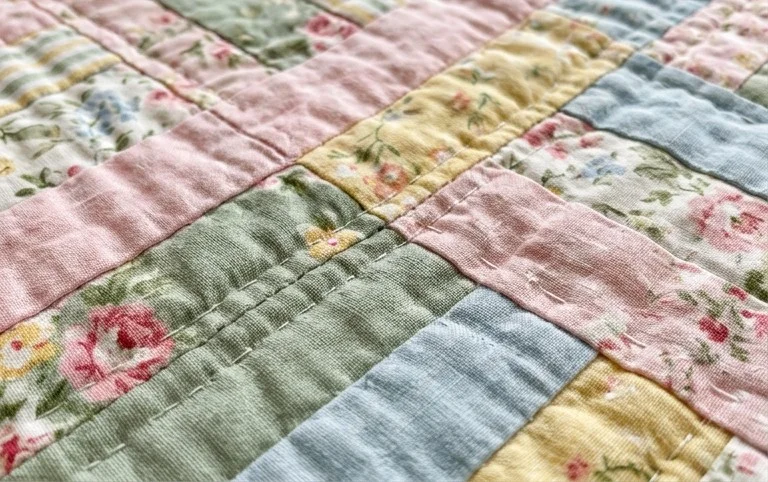
Finishing one of these weighted blankets brings a sense of accomplishment that feels much more permanent than smaller seasonal crafts. You can adjust the visual impact by switching from a solid wool blend to a variegated cotton yarn, which creates a softer transition between the individual ribbons. Post a photo of your finished work on social media to show how your specific color choices turned out. Browse the rest of our pattern library to find other geometric projects that help you use up those extra skeins of yarn sitting in your closet.