10 Minute Baby Receiving Blanket: Free Beginner Pattern
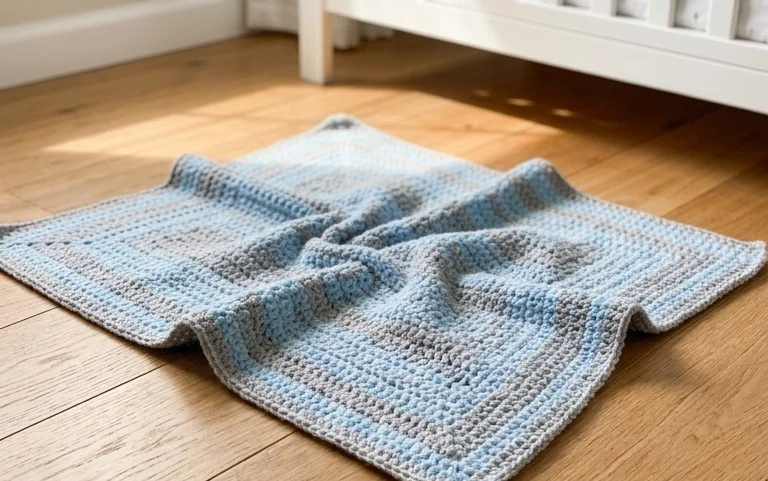
Soft, squishy, and incredibly light, this blanket relies on high-pile chenille yarn that grows rapidly under your hook. You will find it holds up beautifully through countless nursery wash cycles without losing its signature cloud-like texture. It suits busy parents needing a last-minute baby shower gift or beginners wanting to complete a project in a single sitting. You will master the simple foundation double crochet technique here, which eliminates the struggle of working into tight starting chains. This small-scale project provides a relaxing way to fill your afternoon while creating something truly useful for a newborn.
Why You’ll Love This Pattern
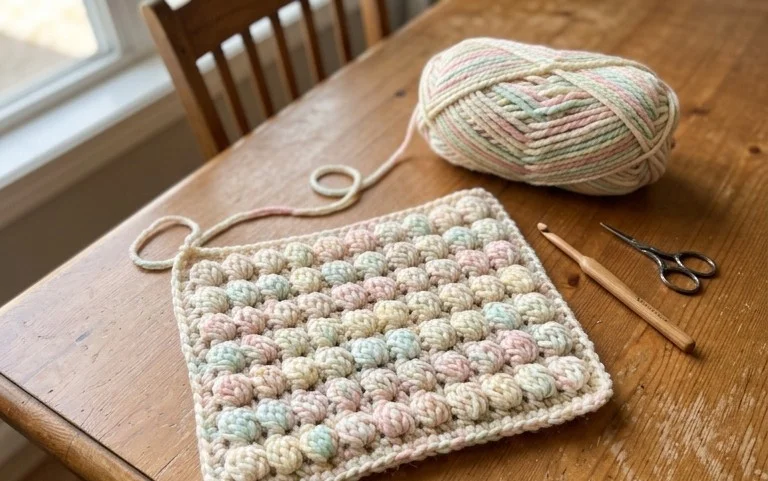
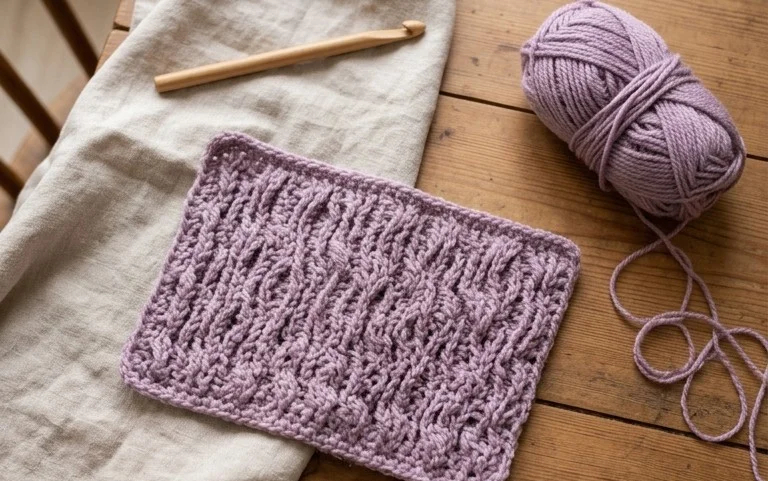
The Classic Crochet Dishcloth is a functional staple that relies on the durable properties of cotton yarn. This pattern uses a textured stitch combination that effectively scrubs surfaces without being abrasive, making it a reliable tool for daily kitchen use. It is a quick project that allows for immediate gratification, as each cloth typically takes less than an hour to complete. Because the design uses a simple, repeating two-row sequence, it serves as a meditative project that is easy to pick up and put down during busy days. Many crocheters keep a stack of these in their work bags to practice new color combinations or to test out different brands of kitchen cotton.
I managed to whip up a set of four of these for my sister in just one weekend, and the texture is much better for washing dishes than the store-bought sponges I used to buy.
— Sarah, home crafter
Pattern Overview & Skill Level
- Skill Level: Beginner
- Approximate Time: 45 minutes per dishcloth
- Construction: Worked in rows from the bottom up
- Finished Dimensions & Sizing: 8 inches by 8 inches
Materials & Supplies Needed
- Yarn: Worsted weight (#4), 100% cotton, approximately 60 yards per dishcloth.
- Hook Size: 5.0 mm (H-8).
- Notions: Tapestry needle for weaving in ends, scissors.
- Safe yarn substitutions: You may use a cotton-acrylic blend for a softer feel, though 100% cotton remains the most absorbent choice for cleaning tasks. Using a lighter weight yarn will result in a smaller final square unless you increase your starting chain.
Stitch Guide & Abbreviations (US Terms)
- ch: chain
- sc: single crochet
- dc: double crochet
- st/sts: stitch/stitches
- sk: skip
- Special stitch: Seed Stitch (formed by alternating single crochet and double crochet stitches across the row, then reversing the sequence in the following row to create a raised, bumpy texture).
Step-by-Step Pattern Instructions
This dishcloth is worked in a flat square. You will maintain the same stitch count throughout the entire project to ensure the edges remain straight.
- Foundation: Chain 31.
- Row 1: Sc in the second ch from the hook, *dc in the next ch, sc in the next ch; repeat from * across until 1 st remains. Dc in the final st. Turn. (30 sts)
- Row 2: Ch 1, sc in the first dc, *dc in the next sc, sc in the next dc; repeat from * across until 1 st remains. Dc in the final st. Turn. (30 sts)
- Rows 3–30: Repeat Row 2 until the piece measures 8 inches in height.
- Finishing: Fasten off, leaving a 6-inch tail. Use your tapestry needle to weave the tail back into the work to secure it invisibly.
Care & Washing Instructions
- Machine wash on a warm setting (up to 104°F) with like colors.
- Tumble dry on low heat or lay flat on a towel to air dry to prevent shrinkage.
- Avoid using fabric softeners, as they coat the cotton fibers and reduce the dishcloth’s natural absorbency.
Pro Tips & Common Mistakes to Avoid
Maintain consistent tension throughout the project; if your tension is too loose, the fabric will be flimsy and lose its scrubbing ability. Always use a stitch marker in the first stitch of every row if you find yourself accidentally dropping stitches at the edges, as this is the most common reason for a non-square finished item. Weave your ends in by threading the tail through the base of the stitches in two different directions to ensure they do not pull out during heavy-duty cleaning. If you wish to adjust the size, add or subtract chains in multiples of two; note that increasing the size will require extra yarn, so keep an additional 15 yards on hand if you decide to go larger.
Frequently Asked Questions
Can I use a larger hook for this pattern?
Using a larger hook will make the fabric looser and more porous. While this makes the project work up faster, it may decrease the structural integrity of the dishcloth for heavy scrubbing.
Is this pattern suitable for someone who has never crocheted before?
Yes, this is an ideal beginner project. It focuses on the two most fundamental crochet stitches and requires no shaping, joining, or complex counting.
How can I prevent the edges from becoming uneven?
Count your stitches at the end of every row. You should always have exactly 30 stitches. If you have 29 or 31, backtrack to the previous row to find where a stitch was missed or added.
Am I allowed to sell the dishcloths I make from this pattern?
You are welcome to sell finished items made from this pattern, provided you credit the design. Please do not sell, distribute, or copy the written pattern text itself.
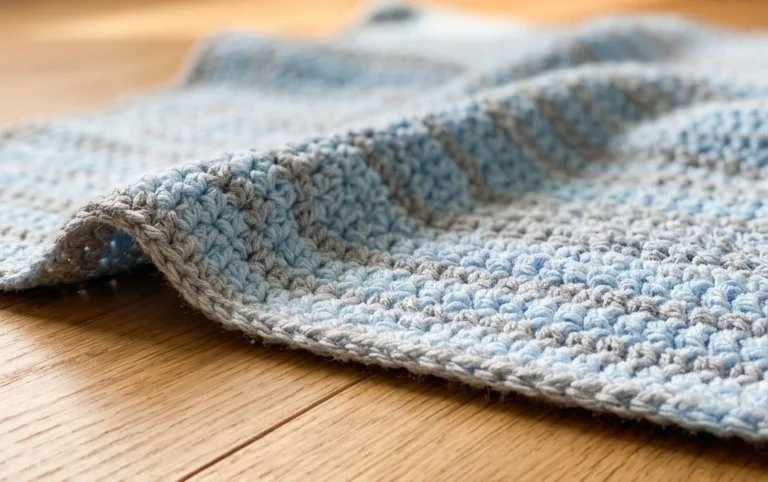
Wrapping your finished blanket in a satin ribbon transforms it into a thoughtful gift that feels professional and handmade. You can try alternating between two contrasting colors every few rows for a bold stripe effect, or stick to a single monochromatic shade for a minimalist nursery aesthetic. Share your finished work on social media so others can see your color choices. I encourage you to browse the rest of the blog for more quick weekend projects that help you build your stash of handmade nursery essentials.